Named insured and definitions
Question to answer
Are the owner and relevant household members insured?
Why it matters
Possessing the dog is not the same as being an insured person

Audit dog-owner liability protection by insured party, injury type, defense wording and incident records.
Separate dog and cat veterinary insurance only. This is not a quote for other species, liability, property, mortality or services discussed here; verify state eligibility and policy terms.
Use these checkpoints to frame the literal question before reading the full guide.
Dog liability insurance concerns harm your dog causes to other people or their property. It is different from veterinary-expense insurance for your own dog. Start with the liability grant and animal exclusions in your homeowners, renters or separate liability policy; no operative policy for your circumstances has been verified here.
The sections below show how to verify the answer and what can change it.
The Insurance Information Institute explains that homeowners and renters liability coverage can respond to dog-related injuries, subject to policy terms and limits, while insurers may restrict certain dogs or require special arrangements. That is broad consumer guidance, not confirmation that your policy covers your dog. Legal responsibility also depends on the circumstances and jurisdiction.
| Document section | Question to answer | Why it matters |
|---|---|---|
| Named insured and definitions | Are the owner and relevant household members insured? | Possessing the dog is not the same as being an insured person |
| Liability grant | Does it address bodily injury and property damage caused by an occurrence? | Different loss categories may have different conditions |
| Animal exclusion or endorsement | Is this dog, breed, history or activity restricted? | A general limit can coexist with an animal exclusion |
| Territory and locations | Does protection extend away from home? | A sidewalk event is not automatically treated like a home event |
| Defense and limits | Who controls defense, and do defense costs reduce the limit? | Defense funding and damage payments must be read separately |
| Notice and cooperation | What must be reported and preserved? | Delay or missing records can complicate the claim |
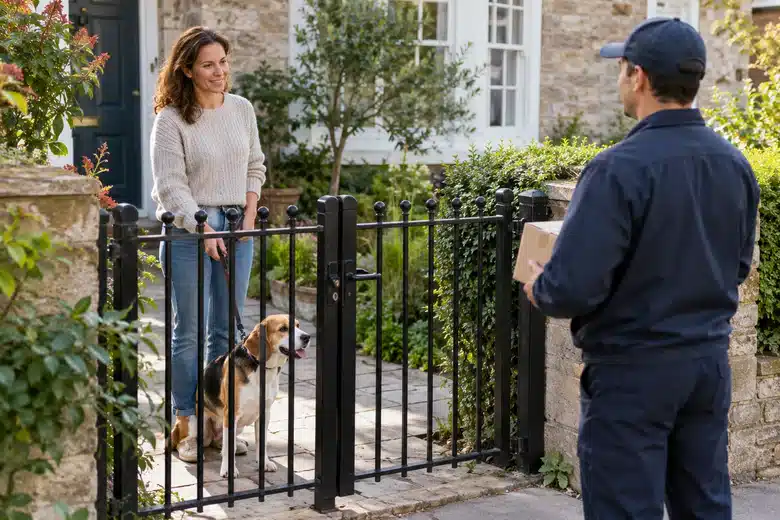
Consider a hypothetical delivery visit in which a dog knocks a visitor down and damages the visitor’s phone. The injury and the damaged property belong in separate factual descriptions. Whether either is covered depends on the actual grant, exclusions and legal liability. The owner’s veterinary bill, if the dog is also hurt, belongs to a different coverage question.
Do not assume a policy called “pet insurance” includes liability, and do not assume an umbrella fills an animal exclusion below it. An umbrella may have its own exclusions and underlying-insurance requirements. The relevant evidence is the wording and endorsements, not the word “umbrella” or the size of its advertised limit.
This is a separate medical-insurance offer for eligible dogs and cats, not the other species, liability, property, mortality or commercial coverage described here. Check state availability, policy exclusions and actual eligibility.
Attend to immediate safety and necessary care first. Notify the relevant insurer according to the policy and keep copies of what you submit. Do not embellish the history, discard inconvenient records or assume that an informal private payment closes every possible claim. A serious injury, dispute or legal demand may warrant qualified local legal advice.
Ask whether the exact dog and known incident history are accepted, whether personal or business activity is involved, and whether off-premises events are within scope. A dog used in paid work, boarding or another business setting raises a different application question from ordinary household ownership. Keep the answer tied to a written form or endorsement.
This guide has no applicable jurisdiction, issued homeowners/renters form, standalone dog-liability contract or defense endorsement for your situation. It cannot confirm coverage, recommend a limit or identify a suitable priced offer. No veterinary-insurance rate button appears on this liability page.
Do not assume so. Read a liability policy for third-party injury; veterinary-expense protection addresses a different exposure.
Only if the event and insured parties are within coverage. An exclusion can matter before the limit is reached.
This article does not imply that the specific animal, liability product, state or service discussed above is covered by the site's partner. If you are separately comparing medical insurance for U.S. domestic dogs or cats, the next button opens a separate quote route for that product; check the actual policy for eligibility and exclusions.